Introduction: Replacing servers involves technology, compliance and cost management. This article focuses on "Transparent suggestions on replacement process and cost to help you reasonably estimate how much it will cost to replace a server in Thailand", sorting out the key points of the process, influencing factors and transparent practices to help decision-makers make controllable budgets and risk management.
Focus on process and fee transparency to avoid hidden expenses and delays. After the sub-items, responsibilities and acceptance criteria are clarified, the project budget will be more controllable, communication will be smoother, and subsequent operation, maintenance and performance evaluation will be facilitated, and risks caused by information asymmetry will be reduced.
The replacement process usually includes demand confirmation, equipment procurement, transportation and customs clearance, computer room racking, network configuration, data migration and final acceptance. Each link may incur costs and time, which need to be listed in detail in the contract to facilitate item-by-item accounting and control.
In addition to basic hardware, equipment purchase also includes warranty and extended services. Configuration acceptance needs to include performance, compatibility and redundancy testing. Writing acceptance criteria into contracts can reduce future disputes and ensure that delivered products meet business needs and SLA requirements.
Cross-border transportation and customs clearance will bring time and compliance costs. Computer room shelving involves labor, cabinet space, electricity and wiring costs. Transparency requires suppliers to list the billing methods and possible additional fee triggering conditions for these links.
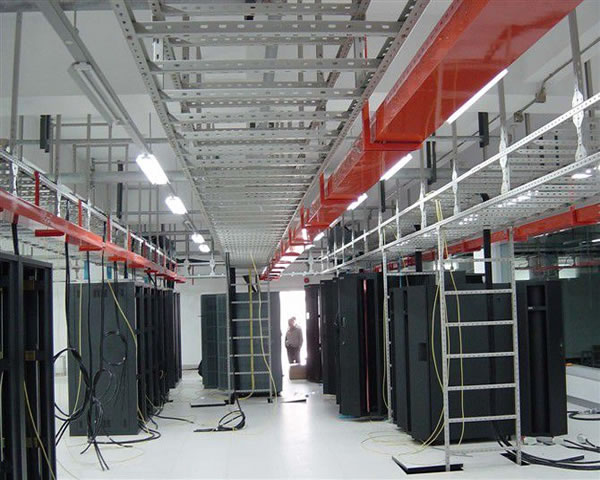
Network bandwidth, public IP, BGP configuration and data migration are common cost points. Migration strategy (cold migration or hot migration) also affects downtime and cost. It is critical to assess bandwidth needs in advance and agree on a bandwidth fee model in the contract.
Key factors include computer room location, power and cooling costs, bandwidth and network interconnections, cabinet specifications, labor and engineering time, compliance and taxes, equipment warranty and spare parts strategy. Each item may be billed on a one-time or recurring basis and needs to be checked item by item.
It is recommended to require suppliers to provide itemized quotations and list the charging trigger conditions and billing cycles. Before signing the contract, conduct third-party evaluation or price inquiry comparison, clarify acceptance nodes and overtime compensation terms, and keep change orders and approval records.
The first step is to define business requirements (computing, storage, bandwidth). The second step is to make a list of all links and request itemized quotations. The third step is to estimate potential taxes and customs clearance costs. Finally, add a risk allowance of 15% to 30% to cover unforeseen expenses.
The contract should specify itemized billing, delivery time, acceptance standards, liability for breach of contract and warranty terms. The SLA needs to include availability targets, failure response times and compensation mechanisms. The payment method is recommended to be paid in installments with acceptance as the payment trigger.
Costs can be reduced by comparing prices with multiple providers, adopting standardized configurations, flexibly selecting bandwidth peak billing modes, and negotiating with computer rooms to merge service packages. At the same time, key backup and disaster recovery strategies are retained to avoid the risk of business interruption due to saving money.
Common misunderstandings include looking only at unit price and ignoring long-term operation and maintenance costs, underestimating cross-border compliance and customs clearance time, and failing to agree on acceptance details in the contract. Things to note: Keep records of changes, require transparent invoicing and reporting, and reserve time windows for technical testing.
Summary: The budget for replacing a server in Thailand should be based on an itemized list and a transparent quotation, rather than a single number. It is recommended to sort out the requirements in advance, request itemized quotations, sign a clear contract and set aside a risk budget. By making the process and costs transparent, we can more reasonably estimate how much it will cost to replace a Thailand server and effectively manage risks.
- Latest articles
- Popular tags
-

Appreciation Of Thai Luxury Airplane Room Pictures To Enhance Design Inspiration
Get unique design inspiration and enhance your interior design level by enjoying pictures of Thailand’s luxury airplane rooms. -
Case Sharing: The Improvement Of Operation And Maintenance Efficiency Brought By Thailand IDC Computer Room Hosting
This article shares a typical case of IDC computer room hosting in Thailand, analyzes the path to improving operation and maintenance efficiency, implementation key points and risk control of computer room hosting, and is suitable for reference by enterprises when deploying in Southeast Asia. -

Network Configuration Tutorial Thai Card Mobile Phone Displays Serverless Apn And Detailed Explanation Of Reset Steps
for mobile phone users using thai cards, this article explains in detail the common reasons why mobile phones display no service and apn problems, manual apn configuration, reset network settings and advanced troubleshooting steps. the steps are clear and operable.